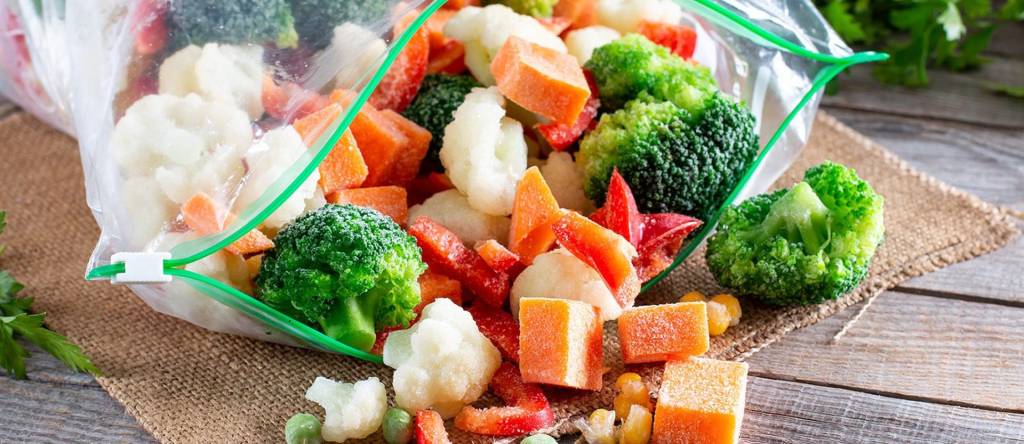
Freezing temperatures play a vital role in preserving the texture, flavor, and safety of frozen products. Even small temperature changes can lead to freezer burn, flavor loss, or accelerated microbial growth, depending on the type of food. This article explores the advantages and disadvantages of this potential adjustment, using concrete examples of products that are particularly sensitive to temperature variations. What does this mean for our food, and how do we make an informed decision?
1. Meat: Texture Loss and Freezer Burn
Higher freezing temperatures increase the likelihood of freezer burn—a phenomenon where moisture from the surface of meat evaporates, leaving behind ice crystals. This causes dryness and texture degradation, leading to a decline in juiciness and flavor. Fatty meats, in particular, are prone to accelerated oxidation processes at higher temperatures, resulting in rancidity.
Example: Frozen steaks exposed to temperature fluctuations often develop white or gray spots, significantly reducing their quality.
2. Fish: Accelerated Oxidation and Flavor Loss
Fish is extremely sensitive to temperature changes. At higher freezing temperatures, the fats in fish oxidize more rapidly, causing unpleasant odors and flavors (rancidity). Additionally, ice crystals formed during slow or irregular freezing can damage the delicate structure of fish flesh.
Example: Salmon fillets or herring lose their smooth texture and may develop a mealy consistency, making them unappealing to consumers.
3. Prepared Meals: Safety Risks
Prepared meals with multiple components (such as meat, sauce, and vegetables) are particularly vulnerable to higher storage temperatures. Any brief rise above freezing increases the risk of microbial growth, particularly from pathogens like Listeria monocytogenes, which can remain active even at low temperatures.
Example: Frozen lasagna or pizzas may harbor unsafe levels of bacteria if not stored at the correct temperature.
Conclusion: Balancing Quality and Sustainability
While raising the freezing temperature offers clear energy-saving benefits, it also poses significant risks to the quality and safety of frozen products. It is essential to evaluate these risks on a product-by-product basis and explore alternative solutions, such as improved packaging technologies or dynamic temperature monitoring systems.
This article invites a broader discussion: how can we promote sustainability without compromising food quality and safety? What are your thoughts on this? A discussion on LinkedIn last week already generated some interesting insights and facts—feel free to join the conversation!


 Protein Trends
Leave a comment