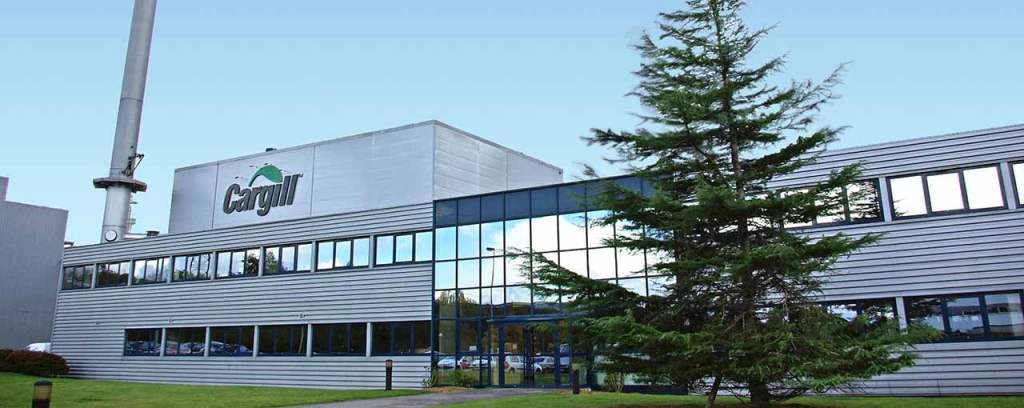
Global agribusiness giant Cargill has announced plans to cut approximately 5% of its global workforce, amounting to about 8,000 jobs, as part of a major restructuring effort aimed at improving efficiency and profitability. This decision follows a challenging fiscal year marked by declining revenues and falling crop prices, which have squeezed the company’s profit margins.
Strategic Restructuring in Response to Market Pressures
Cargill, a privately-held company headquartered in Minnesota, operates across 70 countries and employs over 160,000 people globally. In a memo reviewed by Reuters and Bloomberg, Cargill’s president and CEO, Brian Sikes, confirmed the job cuts, citing the need to “streamline organizational structures by removing layers, expanding the scope and responsibilities of managers, and reducing duplication of work.”
The company’s revenue for the 2024 fiscal year, which ended in May, fell to $160 billion—down from a record $177 billion in the prior year. Additionally, less than one-third of Cargill’s business units met their earnings goals, according to an internal memo. This underperformance has spurred the company to take decisive action, including reducing its number of business divisions from five to three as part of its 2030 strategy.
Impact on the Global Workforce and Operations
The announced layoffs will target non-operational roles to minimize disruptions to frontline teams and customer services. However, higher management roles are expected to bear a significant portion of the reductions. The move has implications for Cargill’s workforce in the Netherlands, where the company operates facilities in Botlek, Sas van Gent, Bergen op Zoom, Zaandam, and Amsterdam, employing approximately 2,200 workers.
The Dutch facilities are key hubs for Cargill’s operations in Europe, where the company trades in agricultural commodities like grain, soybeans, and corn while also producing beef. However, the drop in commodity prices, particularly corn and soy, has put pressure on profit margins, prompting Cargill to reconsider its cost structures globally.
Long-Term Challenges and Structural Adjustments
This isn’t the first indication of Cargill’s struggles. Earlier this year, the company cut around 200 technology-related jobs across various locations and announced plans to consolidate its business divisions. The ongoing restructuring aligns with the company’s long-term strategy to improve efficiency and adapt to changing market conditions.
Cargill is not alone in facing these challenges. Competitor Archer-Daniels-Midland (ADM) has recently dealt with accounting irregularities and weaker earnings. Meanwhile, Bunge, another major player in the global agricultural trading market, is finalizing its acquisition of Glencore-backed Viterra after facing regulatory hurdles.
Implications for Dutch Operations and Recent History
In the Netherlands, Cargill’s operations have recently been in the spotlight. In October last year, workers staged a strike over collective labor agreement disputes at Cargill facilities in Botlek, Sas van Gent, Bergen op Zoom, and Amsterdam. These actions highlighted existing tensions between management and workers, which could resurface as the company moves forward with its restructuring plans.
With the Dutch operations employing a significant workforce, any reductions are likely to have a ripple effect on local economies, especially in regions reliant on Cargill’s industrial presence.
Challenges and Opportunities Ahead
Cargill’s decision to implement these widespread cuts reflects broader trends in the global agricultural commodities market. Falling prices for key crops like soybeans, corn, and wheat, combined with shrinking processing margins, have placed agricultural traders under increasing financial strain. For Cargill, the restructuring represents a shift toward leaner operations in an effort to maintain competitiveness and profitability in a volatile market.
However, the reductions also raise concerns about innovation and resilience in the face of future challenges. Cargill’s role as a major player in global food production comes with significant responsibilities, and its ability to balance cost-cutting with sustainability and innovation will be crucial for its long-term success.
As the company prepares for a Dec. 9 meeting to share more details on the restructuring, employees and stakeholders worldwide will be watching closely. The ongoing adjustments underscore the delicate balance between profitability, operational efficiency, and the broader social and economic impact of downsizing a company of Cargill’s scale.


 Protein Trends
Leave a comment