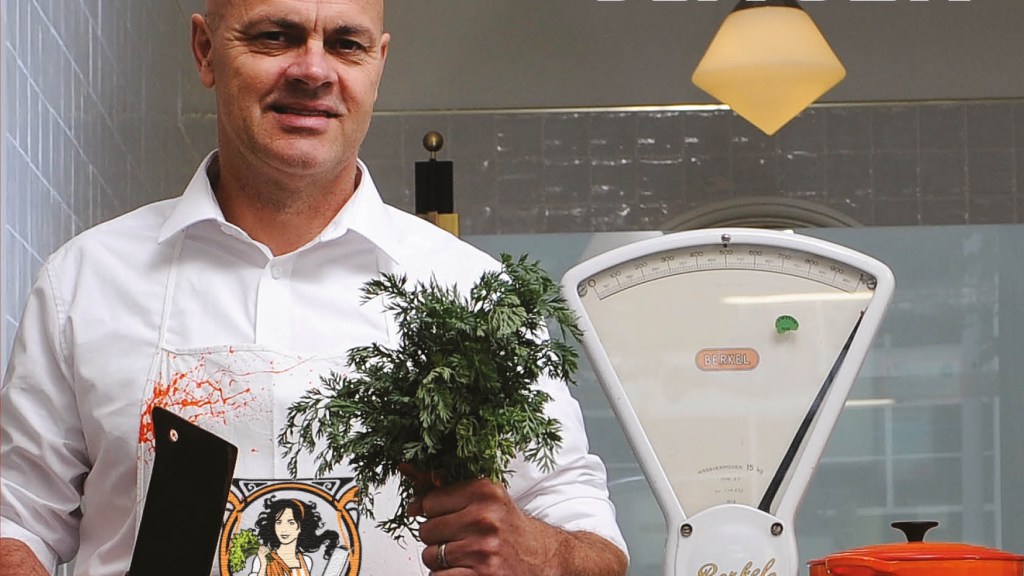
Unilever appears to be focusing on a core portfolio of billion-dollar global brands, such as Knorr and Hellmann’s, which may leave little room for niche brands like The Vegetarian Butcher in their future plans. This decision has far-reaching implications—not just for Unilever itself, but also for the future of innovation, employment, and regional economic dynamics in Wageningen, where Unilever has played a pivotal role for decades. At the same time, this development raises critical questions about the broader structure of the Dutch “Top Sector” approach, which some critics argue is overly focused on large corporations and leaves insufficient room for high-tech SMEs (small- and medium-sized enterprises).
Unilever’s Strategic Focus
Unilever’s decision to streamline its brand portfolio reflects a trend across the food industry. Multinationals are grappling with rising costs, shareholder pressure, and shifting consumer trends, leading them to concentrate on scalable global brands with high profit margins. While this approach makes economic sense on the surface, it comes with a downside: the loss of diversity in innovation.
Niche brands like The Vegetarian Butcher often serve as crucial platforms for innovation. They are agile and responsive to changing consumer demands and emerging trends, unburdened by the constraints of large-scale operations. By divesting from such brands, Unilever risks distancing itself from the very innovative markets that could be critical for future growth—a loss that will also be acutely felt in Wageningen.
Wageningen: An Ecosystem Under Pressure
Unilever’s potential sale of The Vegetarian Butcher could have a domino effect on Wageningen’s innovation ecosystem. Known as a global hub for food research and development, Wageningen thrives on strong collaborations between multinationals, the university (Wageningen University & Research, WUR), and numerous startups. Unilever has long been a pillar of this ecosystem, but its shift toward a focus on large-scale brands may reduce investments in smaller, experimental projects.
This challenge comes at a time when other key players in the region, such as WUR itself, are facing significant budget cuts. Recently announced funding reductions of tens of millions of euros threaten not only the university but also the companies and initiatives that rely on its collaborations. If this trend continues, Wageningen risks losing its appeal as an international knowledge center, with serious long-term implications for employment and innovation in the region.
The Top Sectors: Too Much Focus on Big Players
Another factor in this story is the role of the Dutch “Top Sector” policy, designed to stimulate innovation and economic growth. In recent years, this policy has heavily favored large corporations like Unilever, Royal FrieslandCampina, and DSM. While these companies are undeniably vital to the Dutch economy, this approach has left little room for high-tech SMEs, which often play a critical role in driving innovation and fostering economic diversity.
High-tech SMEs are typically more flexible and creative, capable of developing new technologies and market concepts. However, they are often overshadowed by the dominant position of large corporations in the Top Sector strategy. This imbalance stifles innovation and creates an over-reliance on multinationals, which can be risky for regions like Wageningen, where the potential for startups and high-tech SMEs is significant but underutilized.
Broader Economic Impact
What does all this mean for the future of Wageningen? First, reduced investments by Unilever and budget cuts at WUR could lead to fewer jobs in R&D and innovation. Second, the diminished role of major players may make it harder to attract new companies and investors to the region, further straining its economic dynamism. This could trigger a negative spiral, where both economic growth and technological advancement stagnate.
A New Approach for Wageningen
To address these challenges, Wageningen must develop a new strategy that reduces reliance on large corporations and fosters greater diversity in innovation. Three priorities are essential:
- Diversifying the Innovation Ecosystem
Wageningen needs to shift its focus from relying heavily on large companies like Unilever and instead attract and support high-tech SMEs and startups. This requires targeted investments and policies aimed specifically at empowering small, innovative businesses. - Retaining and Strengthening Talent
The region must remain attractive to top scientists and innovators, particularly for high-tech SMEs. This can be achieved by creating programs that facilitate collaboration between universities, businesses, and startups—placing SMEs in leadership roles—and by investing in state-of-the-art facilities, research labs, and pilot-scale production capabilities. - Revisiting the Top Sector Strategy
The Dutch Top Sector policy needs a reorientation toward fostering collaboration between startups, SMEs, and larger institutions, rather than focusing predominantly on multinationals and WUR. Such a shift would accelerate innovation and make the region less vulnerable to strategic changes by large corporations.
A New Reality for Wageningen
The potential restructuring at Unilever and the budget cuts at WUR serve as a wake-up call for everyone involved in Wageningen’s ecosystem. Innovation should never rely on a single player or a handful of dominant companies; it must be supported by a diverse network of stakeholders. This requires proactive leadership, new forms of collaboration, and a future-focused vision that embraces experimentation and diversity.
Wageningen is on the brink of a new reality. Now is the time to take action and reshape its ecosystem—not just to address current economic challenges, but to prepare the region for the opportunities of tomorrow.


 Protein Trends
Leave a comment