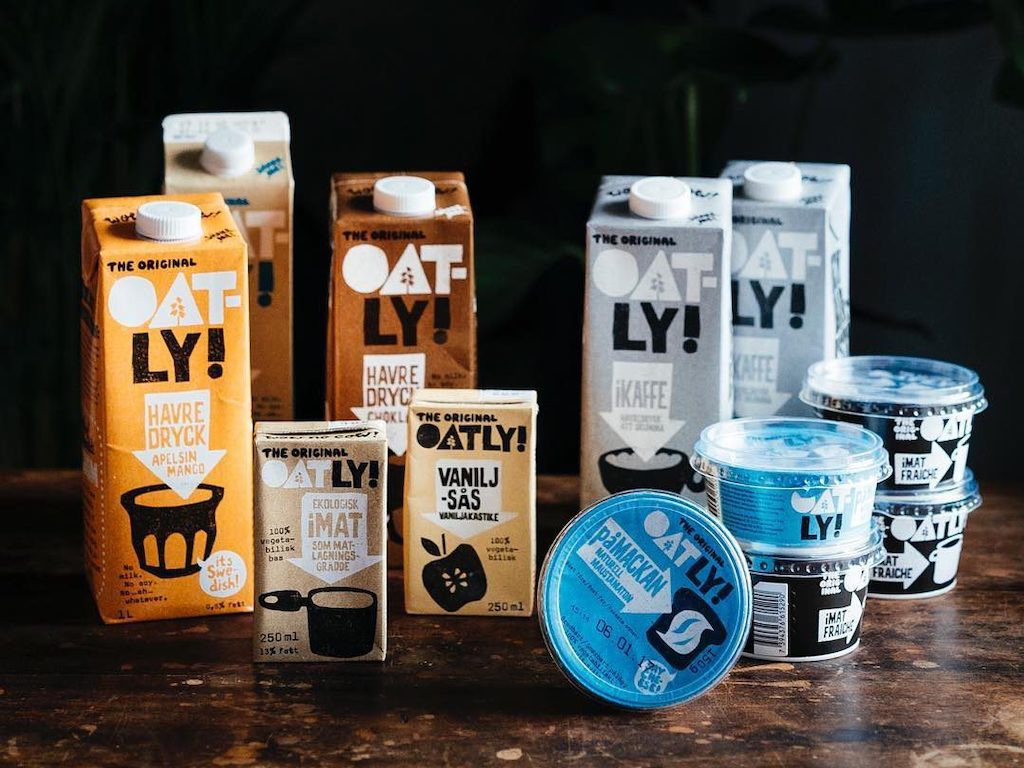
In the world of plant-based foods, the question of whether animal-based terminology can be applied to vegetarian and vegan products has sparked heated debates, legal battles, and drawn the attention of both regulators and industry stakeholders. One prominent example of this ongoing controversy is the five-year legal saga between oat milk producer Oatly and Dairy UK in the United Kingdom. At the heart of this dispute is whether Oatly can legally use the term “milk” in its branding and marketing campaigns.
The Origin of the Dispute
The case dates back to 2019, when Oatly attempted to trademark its slogan, “Post Milk Generation.” The phrase was seen as a bold declaration of the brand’s mission to shift consumers away from traditional dairy products in favor of sustainable, plant-based alternatives. Dairy UK, the trade body representing Britain’s dairy industry, objected to the trademark, arguing that the use of “milk” in any context on non-dairy products could confuse consumers and mislead them into thinking oat-based drinks were a type of milk.
Early Legal Victories for Oatly
Initially, the UK Intellectual Property Office ruled in favor of Dairy UK, invalidating Oatly’s trademark application. However, Oatly fought back, challenging the decision in court. In 2023, a British court ruled that Oatly’s slogan was permissible, allowing the company to continue using “Post Milk Generation” in its marketing materials. This decision was celebrated by plant-based advocates as a win for the industry, which often struggles against restrictive labeling laws.
A Reversal on Appeal
The tide turned once again in 2024. In a higher court ruling, it was determined that the use of “milk” in Oatly’s slogan violated a European Union regulation from 2013, which strictly limits the use of dairy terms like “milk,” “cheese,” and “butter” to animal-derived products. Despite the UK’s departure from the EU, the regulation remains part of British law due to its incorporation into national legislation. The court also referenced British trademark regulations, concluding that the slogan could no longer be used on Oatly’s packaging or in its advertising campaigns.
While the court briefly considered whether terms like “milk-free” could be permissible in the context of plant-based marketing, no definitive ruling was made on this aspect during the case.
Broader Implications for the Plant-Based Industry
The Oatly case underscores the complexities and ambiguities surrounding the marketing of plant-based foods. Across Europe, similar legal battles have erupted over terms like “vegan burgers” and “plant-based cheese.” In 2017, the European Court of Justice ruled against the German company Tofutown for using terms such as “butter” and “cheese” on its vegan products, even with clarifying modifiers like “soy-based.” These rulings reflect an ongoing tension between protecting consumers from potential confusion and accommodating the growing plant-based sector.
For companies like Oatly, the challenge is not just about navigating legal restrictions but also about finding new ways to communicate their value proposition to consumers. While the term “milk” may no longer appear in Oatly’s slogan, the company’s innovative and provocative branding strategy has already left a mark on consumer perceptions.
A Global Debate
This debate is not confined to Europe. In the United States, the dairy industry has pushed for the enforcement of “standards of identity” that would prohibit plant-based beverages from being labeled as “milk.” In 2023, the U.S. Food and Drug Administration (FDA) issued draft guidance permitting plant-based products to use terms like “almond milk” as long as they clearly disclose their plant-based origins. This approach, which emphasizes transparency over prohibition, has been welcomed by many in the plant-based industry as a more balanced solution.
The Future of Food Labeling
As the Oatly case demonstrates, the plant-based food industry’s rapid growth continues to challenge long-established norms in food labeling and marketing. With consumers increasingly seeking alternatives to animal products for health, environmental, and ethical reasons, the demand for clarity and fairness in labeling will only intensify.
For now, Oatly’s legal defeat serves as a reminder of the complex regulatory landscape facing plant-based brands. While the company can no longer use “Post Milk Generation” in the UK, it remains a global leader in the plant-based movement, with its mission to reshape the future of food undeterred by legal setbacks. The outcome of this case may influence future legislation and spark further debates, but one thing is certain: the conversation around plant-based labeling is far from over.



 Protein Trends
Leave a comment