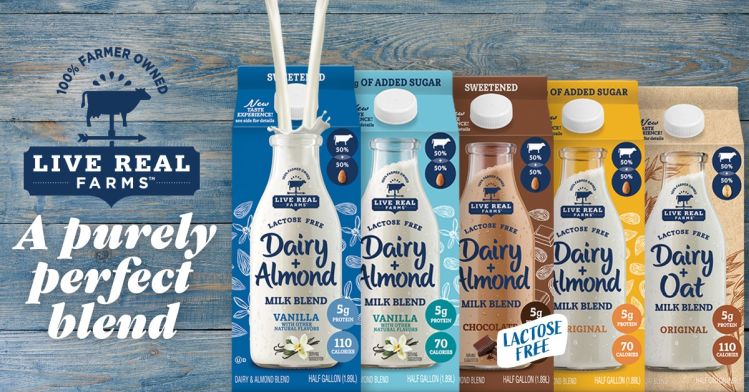
In the evolving landscape of food innovation, hybrid meat and dairy substitutes are emerging as a promising trend. These products blend the benefits of both animal-based and plant-based ingredients, offering a more sustainable dietary option without entirely giving up the taste and texture of animal products. Imagine a burger made from 50% plant-based proteins and 50% beef, or a milk product combining oat milk with cow’s milk. These hybrid products provide a middle ground for consumers seeking to contribute to a sustainable future without compromising on flavor and texture. But what do consumers think about these products? What is their actual impact on sustainability? And who is most likely to be interested in them?
Consumer Preferences: Bridging the Gap
For many, the biggest hurdle in switching to fully plant-based alternatives is taste and texture. While plant-based substitutes have seen significant quality improvements in recent years, the authentic taste of meat and dairy remains appealing to a large segment of consumers. Hybrid products cater to this need by combining the best of both worlds—offering the rich taste and texture of animal-based products while substituting a substantial portion of the animal ingredients with plant-based components.
Take, for example, a hybrid burger developed by the start-up SNX, which combines meat with plant-based proteins. These products are marketed as an easy choice for consumers who care about sustainability but still crave the juiciness and flavor of real meat. Similarly, the hybrid dairy brand Kerry Dairy introduced a milk product that blends cow’s milk with oat milk, aiming to reduce greenhouse gas emissions while retaining the familiar taste of traditional milk.
The greatest advantage for consumers lies in the flavor experience. Hybrid products can break the “taste barrier” that many encounter with fully plant-based alternatives. Additionally, hybrid products may also come at a lower price point than pure meat or dairy products, as plant-based ingredients are often less expensive to produce. However, these products are not without drawbacks. For vegans or those with strict ethical objections to animal products, hybrids remain a non-starter. Furthermore, the processed nature of some hybrid products may deter health-conscious consumers wary of complex ingredient lists or highly processed foods.
Sustainability and Climate Change
Sustainability is one of the primary drivers behind the development of hybrid meat and dairy substitutes. Meat production, particularly beef, is a significant contributor to greenhouse gas emissions, including methane and CO₂. According to estimates from the United Nations Food and Agriculture Organization (FAO), livestock accounts for approximately 14.5% of global greenhouse gas emissions—a figure that is subject to debate but indicative of the sector’s impact. By blending meat products with plant-based ingredients, emissions can be significantly reduced without requiring consumers to make drastic dietary changes.
The case for dairy is slightly different but equally compelling. Dairy production is a major source of methane emissions, which have a much stronger warming effect than CO₂. By combining cow’s milk with plant-based alternatives like oat or soy milk, the methane footprint per liter of product can be significantly lowered. Oatly, a leading brand in the plant-based dairy market, has even experimented with hybrid products in collaboration with dairy producers to expand the market for sustainable options.
Hybrid products thus offer a viable pathway to reducing agriculture’s environmental impact, especially in regions with high meat and dairy consumption. They provide a realistic stepping stone for individuals who are not yet ready to fully transition to a plant-based diet but still want to make a meaningful difference in their ecological footprint.
Who Is Interested in Hybrid Products?
Hybrid meat and dairy substitutes primarily target several key consumer groups:
- Flexitarians: Individuals consciously reducing their meat intake without cutting it out entirely are likely the largest audience. For them, hybrid products are an ideal way to lower meat and dairy consumption while still enjoying their favorite dishes.
- Sustainability-Minded Consumers: These consumers are motivated by environmental concerns and are looking for ways to reduce their ecological footprint without fully committing to a vegan or vegetarian lifestyle. Hybrid products offer a practical solution that aligns with their values.
- Health-Conscious Shoppers: Plant-based ingredients often contain less saturated fat and cholesterol, making hybrid products potentially healthier than their fully animal-based counterparts. Consumers seeking a healthier diet without immediately adopting a vegetarian or vegan lifestyle may find hybrid products appealing.
The Future of Food?
Hybrid meat and dairy substitutes represent an innovative and achievable solution for both consumers and the environment. By combining animal and plant-based ingredients, these products retain the taste and texture of traditional animal products while offering a more sustainable and sometimes healthier alternative.
Whether you’re a flexitarian, concerned about climate change, or simply looking for healthier food choices, hybrid products could very well be the future of how we eat. With their potential to bridge the gap between traditional and plant-based diets, these innovative products offer a compelling vision for a more sustainable and inclusive food system.he Promise of Hybrid Meat and Dairy Substitutes: Combining the Best of Both Worlds


 Protein Trends
Leave a comment