Modern fermentation is transforming the global food industry, offering sustainable alternatives to traditional protein production. Across Europe and the United States, companies are harnessing techniques like precision fermentation and biomass fermentation to create novel ingredients for food systems. While the U.S. has made significant strides in approving and commercializing these products, Europe—particularly the Netherlands—stands out as a hub for cutting-edge innovation despite regulatory hurdles.
Precision Fermentation and the EU’s Regulatory Landscape
Precision fermentation, which uses genetically modified microorganisms (GMOs) to produce specific ingredients such as milk proteins or vitamins, faces significant regulatory barriers in the European Union. All new foods must pass through the EU’s Novel Food Regulations, overseen by the European Food Safety Authority (EFSA). This process ensures that both the ingredient and its production methods meet stringent safety standards.
However, the use of GMOs complicates approval processes. While precision fermentation isolates the desired product and removes any trace of the original genetically engineered microorganisms, the production method itself is still subject to GMO regulations. Companies must invest considerable time and resources to navigate these regulatory hurdles, which has slowed the adoption of precision fermentation across Europe.
For example, Nature’s Fynd and Solar Foods are among companies currently awaiting EU approval. Meanwhile, U.S.-based Perfect Day has successfully launched precision fermentation dairy proteins in the American market and is actively working to expand into Europe. The Netherlands-based company The Protein Brewery, which specializes in biomass fermentation, also faces regulatory challenges for its novel protein ingredient Fermotein.
The Netherlands: A Hotspot for Fermentation Innovation
Despite these regulatory challenges, the Netherlands has emerged as a leader in modern fermentation. Dutch companies are driving innovation with their expertise in precision and biomass fermentation, positioning the country as a key player in this burgeoning industry.
Those Vegan Cowboys, a company with Dutch origins, is developing casein proteins through precision fermentation. These caseins, traditionally derived from cows, are essential for making dairy-free cheese that mimics the texture and flavor of traditional cheese. By avoiding GMOs in their production process, Those Vegan Cowboys aim to navigate the EU’s regulatory framework more efficiently.
Vivici, a Dutch start-up formed through a partnership between DSM Firmenich and Fonterra, focuses on producing β-lactoglobulin, a whey protein used in food production. Vivici’s products have already been approved for sale in the United States, highlighting the company’s ability to navigate international markets.
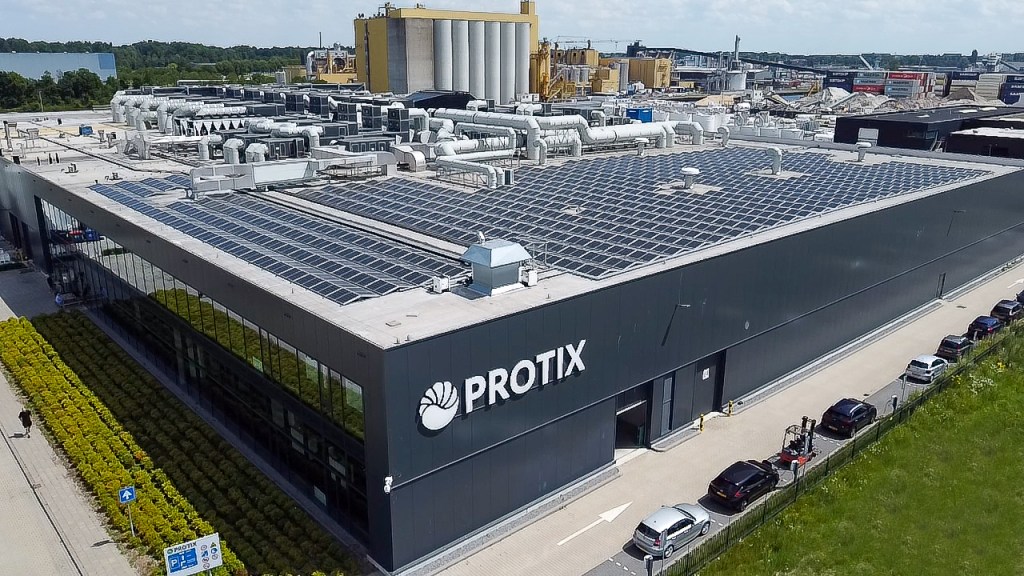
The Protein Brewery, based in the Brabant region of the Netherlands, specializes in biomass fermentation. Their flagship product, Fermotein, is a versatile protein ingredient made from microorganisms. Fermotein has gained approval for use in Singapore and the United States, showcasing the global potential of Dutch fermentation technologies.
Another innovative Dutch company, Farmless, is revolutionizing protein production through gas fermentation. By using CO₂, water, and nitrogen as feedstocks, Farmless eliminates the need for crop-based inputs, offering a sustainable and scalable solution to protein production challenges.
FrieslandCampina, a major player in the Dutch dairy industry, has embraced precision fermentation as a tool for innovation. In collaboration with the U.S.-based Triplebar Bio, FrieslandCampina is developing new proteins and ingredients, including human milk oligosaccharides (HMOs), which are already being used in infant nutrition products.
The United States: A Rapidly Growing Market
In the United States, the regulatory landscape is more favorable to modern fermentation, allowing companies to bring products to market more quickly. Perfect Day, a California-based pioneer in precision fermentation, produces animal-free dairy proteins that are used in a variety of products, from ice cream to protein shakes. Perfect Day has achieved widespread commercial success, serving as a model for other fermentation start-ups.
Nature’s Fynd, another U.S. company, uses biomass fermentation to produce a protein-rich ingredient derived from fungi. Solar Foods, based in Finland but expanding globally, employs gas fermentation to create protein from CO₂. These companies are shaping the future of food production, with the U.S. acting as an early adopter of their technologies.
The Future of Fermentation in Europe and Beyond
As consumer demand for sustainable protein alternatives continues to grow, the potential for fermentation-based products is enormous. While European companies, particularly in the Netherlands, are leading in innovation, they face significant delays due to regulatory frameworks. In contrast, the U.S. offers a faster pathway to commercialization, giving American companies a competitive edge in global markets.
For Europe to fully capitalize on the promise of modern fermentation, regulators must find ways to balance safety concerns with the need for innovation. Collaboration between companies and policymakers could accelerate approvals and bring products to consumers faster. Meanwhile, the Netherlands remains a beacon of progress, showcasing how investment in technology and innovation can position a country as a global leader in sustainable food production.
The race to scale fermentation technologies is underway, with companies in both the U.S. and Europe playing pivotal roles. Whether through precision fermentation, biomass fermentation, or gas fermentation, these technologies hold the key to a more sustainable and resilient food system.


 Protein Trends
Leave a comment