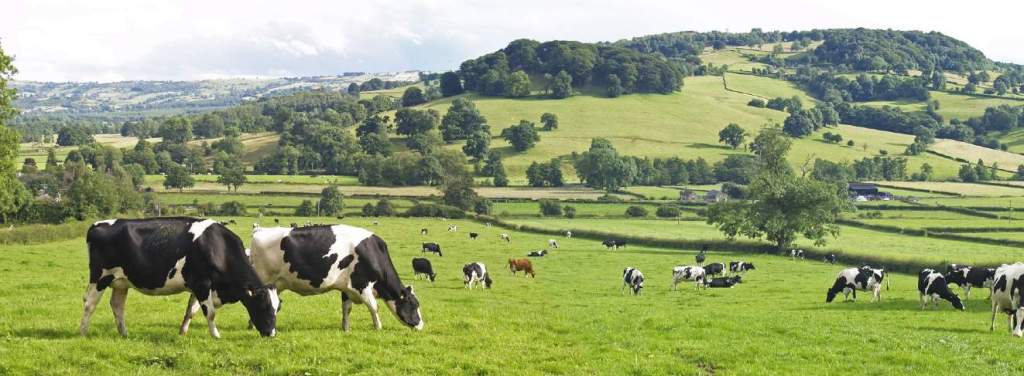
In the twelve months leading up to April 2024, the number of dairy farmers in the United Kingdom fell by 5.8% to just 7,130, marking the sharpest decline in five years. Historically, the number of dairy farmers has decreased at an average rate of 2–4% per year, but this trend appears to be accelerating, according to the Agriculture and Horticulture Development Board (AHDB).
David Swales, head of economic analysis at AHDB, has described the situation as deeply concerning. “For many years, we have observed a gradual reduction in the number of dairy farmers, offset by an increase in average herd size. However, the past year has seen a higher-than-usual number of exits, which is cause for alarm,” he stated. While smaller dairy farms have traditionally been the ones to shut down, Swales notes that larger farms are now also questioning their future in the sector.
A Long-Term Decline
At the end of 2019, the UK had 8,720 registered dairy farmers. Within a year, more than 400 had exited the industry, and by the end of 2021, the number had fallen below 8,000 for the first time. Since then, nearly 900 additional dairy farms have ceased operations. If this trend continues, AHDB predicts the number of dairy farmers could fall below 7,000 by next year.
Economic and Regulatory Pressures
The challenges facing UK dairy farmers are partly shared with other countries, such as rising production costs, declining revenues, high interest rates, and increasing regulatory burdens. However, specific factors unique to the UK exacerbate the situation. The gradual phasing out of the former EU Common Agricultural Policy (CAP) subsidies has left many farmers without clear alternatives. While the UK government has promised new support schemes, little detail has been provided.
Brexit has further complicated matters, particularly with labor shortages. Finding skilled and experienced workers has become increasingly difficult. Although the UK government has introduced a seasonal worker program, it does not address the needs of dairy farms, which require longer-term contracts.
Uncertain Investment Decisions
Swales notes that many farmers are now at a crossroads. Facing significant investment requirements, such as new manure storage facilities, those without a clear successor are more likely to exit the industry. This is particularly true for smaller farmers, for whom capital expenses represent a heavier financial burden. Larger dairy farms that have already met regulatory requirements are generally better positioned to continue operations, often choosing to expand by acquiring neighboring farms.
Optimism Amid Rising Milk Prices
Despite these challenges, Paul Tompkins, chair of the National Farmers Union (NFU) dairy board, remains optimistic. He points out that milk prices in the UK have been steadily rising. As of October 2024, the average milk price stood at 54.2 euro cents per liter, up 4.6% from the previous month and 23% higher than October 2023.
“This price increase is helping many farmers offset rising costs, allowing some of us to return to modest profitability,” said Tompkins. He also highlighted significant investments by major dairy processors in factory capacity and infrastructure, driven by growing global demand for dairy products. With production in the EU and Oceania declining, Tompkins sees opportunities for UK farmers to fill the gap.
Looking Ahead
While rising milk prices offer some relief, the broader structural issues facing the UK dairy sector cannot be ignored. Without decisive action to address labor shortages, provide clarity on subsidy alternatives, and support long-term investments, the decline in dairy farmers is likely to persist. For an industry that plays a critical role in the UK’s agricultural landscape, this trend is both economically and socially significant.
The coming years will be crucial in determining whether the UK dairy sector can adapt and thrive in the face of these challenges, or whether the trend of consolidation and exits will continue unchecked.


 Protein Trends
Leave a comment