
The protein transition—the shift from animal-based to plant-based proteins—is gaining increasing attention in public and scientific debates. This topic is not only about technological innovations and consumer behavior but also about historical context, societal acceptance, and strategic policy decisions. Recent reports and studies offer crucial insights into shaping this transition and overcoming the obstacles along the way.
Historical Foundation: From Plant-Based to Animal-Based, and Back Again?
An intriguing insight from the literature is that the Dutch food system was predominantly plant-based and self-sufficient until about a century ago. The shift to a commercialized and industrialized food system—centered on meat production—was largely driven by policies aimed at promoting economic growth in the agricultural sector. These policies were often reactive and focused on maintaining the country’s international export position, even during crises.
The question now is whether lessons can be drawn from this past. The historical awareness that a plant-based food system was once the norm offers hope for the future. It demonstrates that such a transition is not only possible but can also be sustainable. Furthermore, revaluing local production could contribute to a more balanced and resilient food system.
Consumer Acceptance: The Role of Neophobia and Product Attributes
One of the biggest challenges in the protein transition is the acceptance of plant-based proteins by consumers. Fear of the new—neophobia—emerges as a significant barrier. Consumers tend to value products that feel familiar and often align with their existing routines. For example, meat substitutes are more readily accepted when they mimic the taste, texture, and appearance of meat.
Protein content in meat substitutes also plays a critical role. Research shows that products with higher protein content not only meet consumer expectations but also provide greater satiety than traditional meat products. Repeated exposure to meat substitutes can enhance acceptance, but individual preferences and the context of meals remain important factors.
The Wageningen Ecosystem: A Catalyst for Innovation
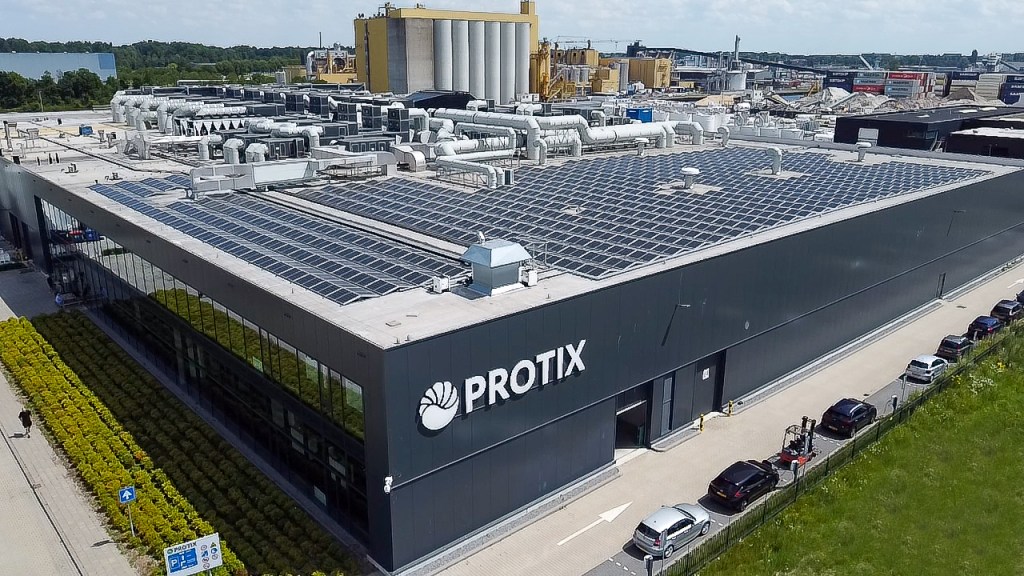
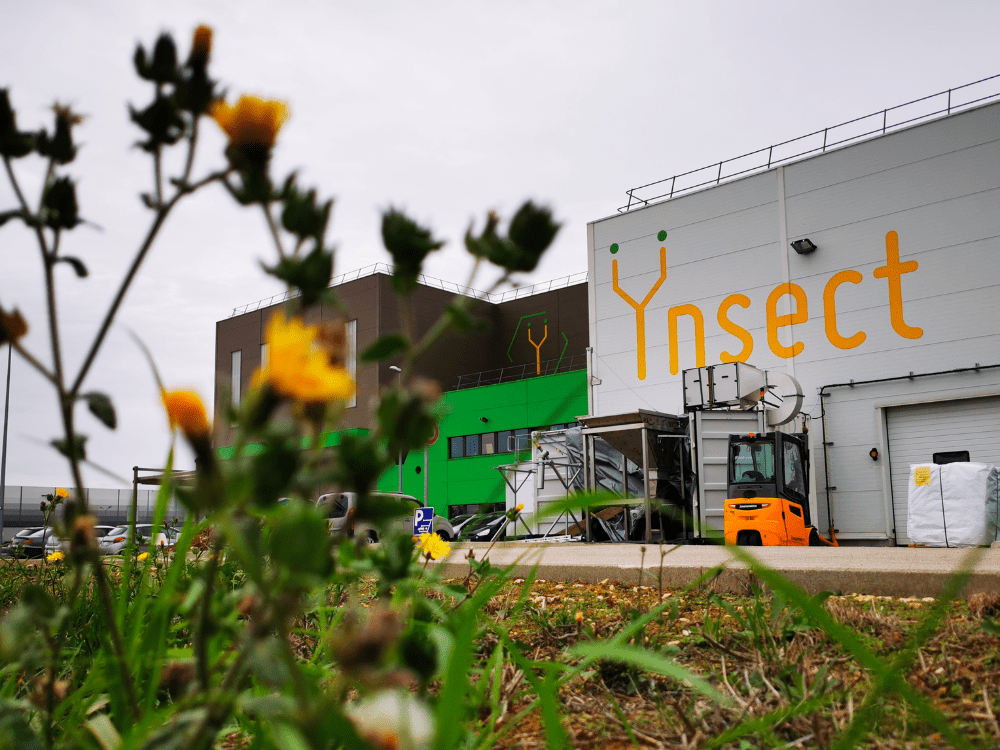
Wageningen, with its strong focus on food innovation, occupies a central role in the protein transition. This ecosystem addresses various approaches, ranging from improving meat substitutes to developing new protein sources like insects and duckweed. While much of the innovation focuses on technological solutions, researchers emphasize the need to tackle societal and policy-related challenges to accelerate the transition.
A striking observation is that the dominant innovation stream focuses on replicating meat. At the same time, sub-dominant streams aim to develop unique products with new flavors and textures. Balancing familiarity with novelty is essential to achieving broad acceptance and sustainable growth.
Policy and Communication: The Subtle Art of Change
The report highlights a critical role for government but also warns of potential pitfalls. Historically, government interventions often prioritized economic interests, inadvertently hindering the transition to a more plant-based food system. Today’s challenge lies in designing policies that facilitate the protein transition without provoking resistance.
Effective communication is vital in this regard. When governments explicitly advocate eating less meat, the message often backfires. Instead, policymakers should focus on facilitating change through familiar routines and subtle behavioral nudges. Aligning with consumer habits—rather than radically disrupting them—is a key success factor.
Towards a Long-Term Vision
The protein transition requires a future perspective that extends beyond the next electoral cycle. Restoring the balance between plant-based and animal-based production will take time but offers immense opportunities for sustainable food production. Recent initiatives like the National Protein Strategy (2020) are steps in the right direction, but only consistent, long-term policies can bring about real change.
The complexity of the protein transition lies in the interplay between technological, societal, and policy-related factors. It demands a multidisciplinary approach that integrates historical awareness, innovation capacity, and consumer behavior. Only by addressing these dimensions cohesively can we move toward a sustainable and balanced food system.


 Protein Trends
Leave a comment