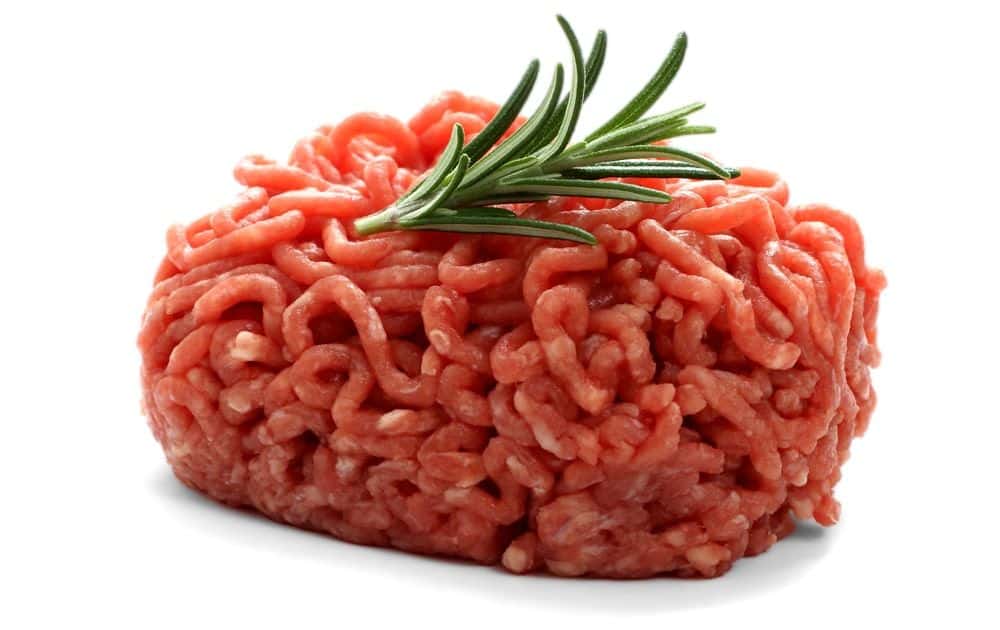
In recent months, beef prices across Europe have escalated to unprecedented levels, driven by a confluence of factors affecting both supply and demand. In the Netherlands, the carcass price for high-quality beef has surged to €6.40 per kilogram, marking an 8.9% increase over the previous record.
Declining Dairy Herds and Beef Supply
A significant contributor to the rising prices is the reduction in dairy cattle populations across Europe. European consumers predominantly consume beef from culled dairy cows; thus, a shrinking dairy herd directly translates to reduced beef availability. This decline is attributed to several factors: an aging farming population without successors, farmers opting for cessation schemes, and a shift towards sustainable practices involving fewer animals on larger land areas. Notably, the European Commission projects a minimum 10% decrease in the dairy herd over the next decade.

Global Factors Influencing Supply
The global scarcity of cattle further exacerbates the situation. In the United States, prolonged drought conditions have led to the smallest cattle herd since 1952. Neighboring countries, including Canada and Mexico, are also experiencing limited supplies. In Europe, particularly in France, there has been a substantial reduction in beef cattle numbers. Additionally, the high slaughter rates before the Christmas period to meet increased demand have further strained the beef market.
Impact on Consumers and Market Dynamics
Consumers are beginning to feel the impact of these price hikes. The Dutch butchers’ association, Koninklijke Nederlandse Slagers (KNS), anticipates further increases in beef product prices in the coming months. While there hasn’t been a significant shift from artisanal butchers to cheaper supermarkets, consumers are opting more frequently for less expensive alternatives like pork or chicken.
Market analysts, including Éva Gocsik from Rabobank, predict that beef prices are more likely to rise than fall in the coming years due to sustained demand. Fast-food chains and supermarkets continue to be major beef purchasers, and while consumers might forgo expensive cuts like steak in favor of cheaper options such as ground beef, the overall demand for beef remains robust.
Future Outlook and Challenges
The beef market faces several uncertainties. In the Netherlands, the government’s approach to resolving issues like the nitrogen crisis and manure surpluses could significantly impact dairy and beef farmers. The Central Organization for the Meat Sector (COV) expects that if domestic production declines, the Netherlands may need to increase beef imports to satisfy demand. However, expanding the domestic beef cattle population appears unlikely under current conditions.
In summary, the surge in beef prices across Europe is the result of a complex interplay between declining cattle populations, environmental challenges, and sustained consumer demand. As these factors continue to evolve, stakeholders throughout the supply chain—from producers to consumers—must adapt to the changing market dyna


 Protein Trends
Leave a comment