
The Dutch government has ambitious goals to increase the cultivation of protein crops. As part of the National Protein Strategy, initiatives such as the Bean Deal have been introduced to bring together farmers, food processors, retailers, and policymakers in a shared effort to scale up the production and processing of legumes. But despite all the good intentions, the reality in the field tells a different story.
After a spike in 2023—mainly driven by temporary subsidies under the EU’s Common Agricultural Policy—the total area used for growing legumes in the Netherlands shrank by nearly 15% in 2024. In 2023, farmers planted 7,850 hectares of legumes. In 2024, that dropped to just 6,690 hectares. This decline isn’t just a statistical footnote; it’s a warning sign that current policies are out of sync with economic reality.
No Market, No Momentum
In early 2025, Agrifirm—one of the Netherlands’ largest agricultural cooperatives—made a bold but honest move: it announced that it would stop promoting supply chain initiatives related to protein crops. The rationale was simple: there is no market demand. Farmers aren’t growing legumes because the financial incentives aren’t there. The supply chain can only function if every link is economically viable—and right now, the demand side is missing.
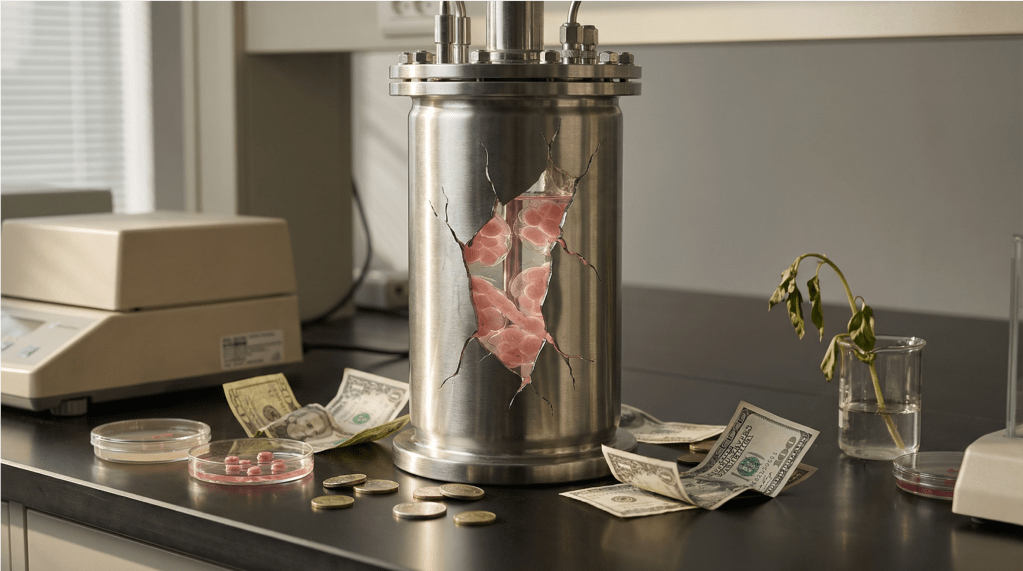
While government bodies continue to fund small-scale pilot projects—think bean burgers and plant-based product tests—these efforts don’t lead to structural change. They may generate media attention or help a startup gain traction, but they are not robust enough to shift an entire agricultural sector. Experimenting with small, consumer-facing products is not the same as building an ingredient industry. Nor is asking farmers to grow more legumes without clear offtake guarantees a strategy for success. Quite the opposite: it erodes trust and risks further decline.
The Factory Comes First
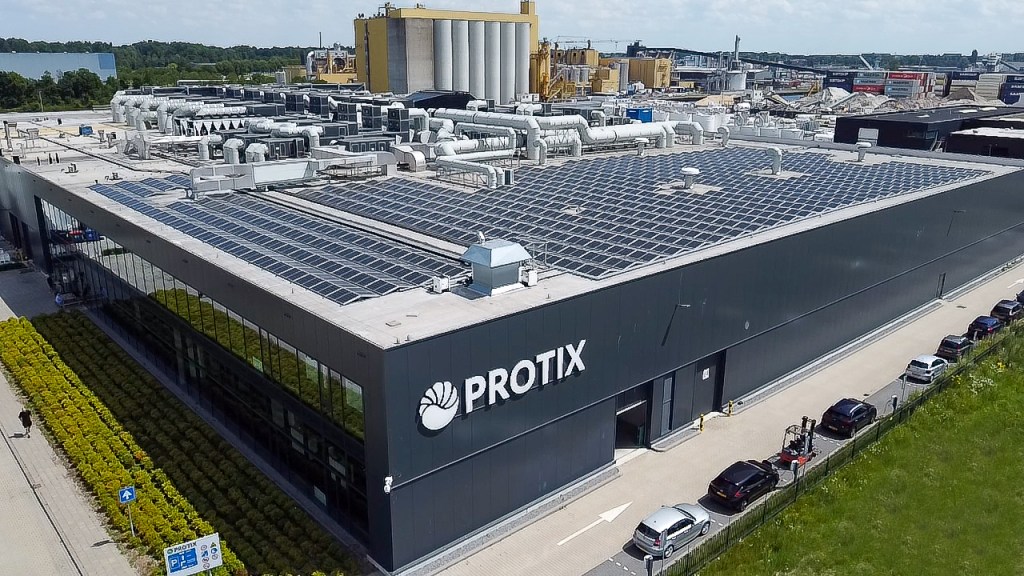
If the Netherlands truly wants to transition toward a more plant-based, protein-rich agricultural model, it must reverse the logic of its current approach. We don’t need more beans in the ground until we have a factory to process them. The real opportunity lies in mid-chain infrastructure: industrial-scale processing facilities that convert raw legumes into high-value ingredients such as protein concentrates, protein isolates, and textured vegetable protein (TVP).
These ingredients form the basis of nearly every modern food product aimed at reducing animal protein consumption—plant-based burgers, dairy alternatives, ready meals, sports shakes, and even functional foods. They are not made from whole beans; they are made from functional ingredients produced at scale. And currently, the Netherlands lacks this scale.
Building one large, dedicated processing plant for legumes would send a powerful signal to the market. It would create confidence in future demand, lower financial risk for both farmers and cooperatives, and unlock private investment across the entire supply chain—from breeding and cultivation to transport and formulation. Without such a facility, the market will remain fragmented, hesitant, and underdeveloped.
Vision Without Capacity Is a Dead End
Agriculture Minister Femke Wiersma recently asked the Bean Deal’s chain coordinator to produce a forward-looking strategy for scaling legume production and processing. That is a welcome move. But a strategy that does not begin with investment in processing infrastructure will fall short. You cannot build a house without a foundation—and in the case of legumes, that foundation is a factory.
It is time to recognize that demand cannot be created by persuasion or regulation alone. Farmers are entrepreneurs. They base their crop choices on risk, revenue, and rotation. If growing legumes pays, they will do it. If not, they won’t. And no amount of policy will change that basic equation.
So let us stop asking farmers to grow what no one is ready to buy. Let us stop funding pilot projects that go nowhere. Instead, let us put steel in the ground. Because when the factory arrives, the farmers will follow—not because they are told to, but because it makes sense.
The Netherlands doesn’t need more bean fields. It needs a protein factory.

 Protein Trends
Leave a comment