The growing demand for plant-based proteins presents unique opportunities for machine suppliers, but also brings specific challenges. While plant-based protein production often utilizes the same machinery as traditional meat processing—such as mixers, cutters, and forming machines—dedicated production lines are essential. Separation of lines is critical to prevent microbial contamination and ensure food safety compliance, particularly in facilities that also process animal proteins.
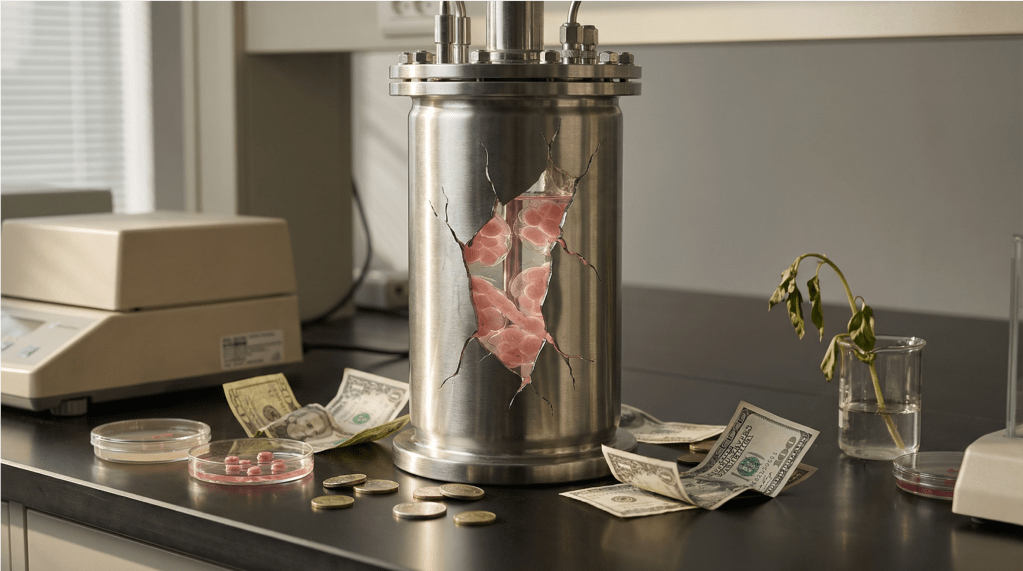
Another key challenge is the lower sales volumes of plant-based products compared to traditional meat. This impacts operational efficiency, leading to higher OPEX (Operating Expenses) for producers. Machine suppliers must offer solutions that optimize performance and reduce costs to make plant-based production more competitive.
Currently, the availability of co-manufacturers (co-makers) for plant-based products in Europe is limited, creating a bottleneck for scaling up production. Machine suppliers have an opportunity to play a proactive role in addressing this gap by offering modular, flexible systems that cater to smaller-scale production while ensuring scalability as demand grows.
By understanding these challenges and tailoring solutions to meet the unique needs of the plant-based sector, machine suppliers can position themselves as essential partners in the protein transition.gina

 Protein Trends